
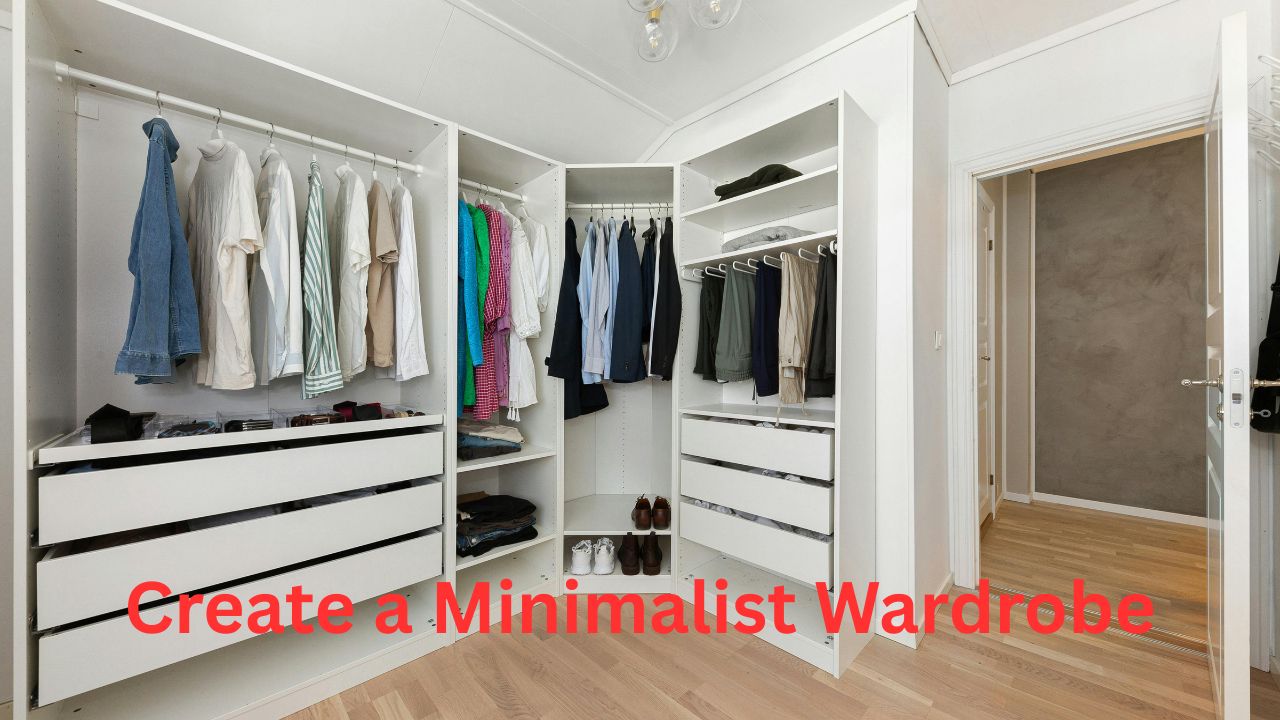
A minimalist wardrobe is a carefully selected collection of clothing that focuses on versatility, quality, comfort, and personal style rather than quantity. Instead of owning dozens of pieces that rarely get worn, you choose practical garments that can be mixed and matched easily. A minimalist wardrobe can reduce daily decision-making, save money, simplify organization, and make getting dressed more enjoyable. The goal is not to follow a strict clothing limit but to create a collection where most items have a clear purpose and fit your lifestyle.
Understand Your Personal Style
Before removing clothes, identify the colors, silhouettes, fabrics, and outfits you naturally enjoy wearing. Look through your current wardrobe and notice which pieces you repeatedly choose. Consider your work environment, climate, hobbies, social activities, and everyday routine. Someone working in an office may need more smart clothing, while someone working from home may prioritize comfortable casual pieces. Understanding your lifestyle helps you build a minimalist wardrobe that is genuinely useful instead of copying someone else’s capsule wardrobe.
Declutter Your Existing Clothes
Start your minimalist wardrobe by reviewing everything you already own. Separate clothing into categories such as frequently worn, occasionally worn, damaged, uncomfortable, and never worn. Ask yourself whether each item fits properly, suits your current lifestyle, and can be styled with other pieces. Avoid keeping clothes simply because they were expensive or once represented a particular phase of your life. Items that are damaged beyond repair, uncomfortable, or consistently ignored may no longer deserve valuable closet space.
Choose a Neutral Color Foundation
Neutral colors make minimalist dressing easier because they coordinate naturally with many other garments. Black, white, gray, navy, beige, brown, cream, and denim can form a flexible foundation. You do not have to eliminate color completely. Instead, choose a few favorite accent colors that complement your neutral basics. A consistent color palette allows you to create more outfits from fewer pieces and makes shopping for new clothing more intentional.
Invest in Versatile Basics
A minimalist wardrobe should contain reliable basics that work across multiple outfits. Depending on your lifestyle, useful pieces may include well-fitting T-shirts, button-down shirts, sweaters, jeans, trousers, skirts, simple dresses, jackets, and comfortable everyday shoes. Choose garments that can be dressed up or down. For example, a simple shirt can work with jeans for a casual appearance or tailored trousers for a more polished outfit. Versatility is one of the most important principles of minimalist fashion.
Focus on Quality Over Quantity
Minimalist fashion works best when clothing is durable and comfortable. Instead of constantly buying inexpensive garments that quickly lose their shape, consider investing in better-made pieces that you can wear regularly. Examine stitching, fabric quality, buttons, zippers, and overall construction before purchasing. Quality does not always mean expensive designer clothing. A reasonably priced garment can provide excellent value when it fits well, lasts a long time, and works with multiple outfits.
Build a Practical Capsule Wardrobe
A capsule wardrobe is a useful approach to minimalist clothing because it encourages intentional selection. Choose a manageable group of tops, bottoms, layers, shoes, and accessories that can create numerous combinations. There is no universal number of items that every person needs. Your capsule wardrobe should reflect your climate, occupation, lifestyle, and laundry routine. The key is ensuring that your selected pieces work together rather than simply reducing the number of clothes you own.
Select Clothes That Fit Properly
Fit can make even simple clothing look stylish. When creating a minimalist wardrobe, prioritize garments that suit your body and feel comfortable during everyday activities. Avoid keeping pieces that are too tight, excessively loose, or uncomfortable simply because you like their design. Basic alterations can sometimes transform an average garment into a favorite piece. Properly fitted clothing also makes it easier to create polished outfits without relying heavily on accessories or complicated styling techniques.
Create a Simple Outfit Formula
An outfit formula can make minimalist dressing much faster. You might combine a basic top with straight-leg trousers, sneakers, and a lightweight jacket, or pair a simple dress with comfortable shoes and a structured bag. Identify two or three combinations that consistently make you feel confident. Once you know your preferred formulas, you can repeat them with different colors and textures. This reduces morning decision fatigue while still allowing your personal style to remain visible.
Choose Shoes Carefully
Shoes can take up significant closet space, so minimalist wardrobes benefit from selecting footwear carefully. Choose versatile options that suit your lifestyle and climate. Depending on your needs, a practical collection might include everyday sneakers, comfortable formal shoes, casual sandals, boots, or another specialized pair. Before buying new footwear, consider how often you will wear it and whether it works with several existing outfits. Comfort, durability, and versatility should matter as much as appearance.
Limit Trend-Driven Purchases
Fashion trends can be fun, but constantly chasing new styles can quickly undermine a minimalist wardrobe. Before purchasing a trendy item, consider whether you would still enjoy wearing it after the trend fades. A better approach is to use accessories, colors, or one occasional statement piece to experiment with current fashion. Keep the foundation of your wardrobe based on timeless styles that suit you. This approach can reduce unnecessary spending while keeping your appearance modern and personal.
Use Accessories Strategically
Accessories can add variety without requiring a large collection of clothing. A few carefully selected belts, bags, watches, scarves, jewelry pieces, or sunglasses can change the appearance of familiar outfits. Choose accessories that complement your existing wardrobe rather than buying them individually without a styling plan. Since accessories are often easier to store and replace than clothing, they can provide an efficient way to refresh your look while maintaining a minimalist closet.
Consider Your Local Climate
Climate should influence every minimalist wardrobe. If you live somewhere hot and humid, lightweight cotton, linen, breathable blends, and comfortable loose-fitting garments may be more practical. People in colder climates may need sweaters, coats, thermal layers, and weather-resistant footwear. Instead of following generic capsule wardrobe lists, build your collection around the weather you actually experience. Choosing climate-appropriate clothing ensures that fewer garments can still cover your everyday needs comfortably.
Follow a One-In, One-Out Rule
A one-in, one-out rule can prevent your minimalist wardrobe from gradually becoming overcrowded. Whenever you purchase a new garment, consider removing an older piece that serves a similar purpose. For example, if you buy a new everyday shirt, you might donate or recycle a shirt you rarely wear. This approach encourages thoughtful shopping and helps maintain the balance of your closet over time without requiring frequent major decluttering sessions.
Maintain Your Clothing Properly
Taking care of your clothes can significantly extend their lifespan. Follow washing instructions, avoid unnecessary high-temperature drying, store delicate garments appropriately, and repair minor damage when practical. Regularly clean shoes and remove stains promptly. Proper maintenance supports sustainable fashion because you can enjoy existing garments for longer instead of replacing them frequently. A minimalist wardrobe is not only about owning fewer pieces; it is also about getting more value from the clothing you already have.
Shop With a Purpose
Before buying anything, ask whether the item fills a genuine gap in your wardrobe. Consider what outfits you can create with it, how frequently you expect to wear it, and whether you already own something similar. Avoid purchasing clothing simply because it is discounted. A low price does not create savings if the garment remains unworn. Purposeful shopping is one of the easiest ways to maintain a minimalist closet and reduce impulse purchases.
Make Your Wardrobe Work Harder
The best minimalist wardrobe is one where individual pieces can perform multiple roles. A neutral blazer can complement jeans, trousers, skirts, or dresses. A simple sweater can work over shirts or under jackets. A versatile dress may be suitable for casual outings or more formal occasions depending on the shoes and accessories. Look for these multifunctional characteristics when building your collection. The more combinations each item supports, the fewer total pieces you may need.
Benefits of a Minimalist Wardrobe
A minimalist wardrobe can offer several practical benefits. Fewer unnecessary clothes can make closet organization easier and reduce the time spent choosing outfits. Intentional shopping may also help control clothing expenses and reduce impulse buying. When your wardrobe contains pieces you genuinely enjoy wearing, getting dressed can become simpler and more consistent. A smaller, thoughtfully designed collection may also encourage better clothing care and more conscious consumption.
Sustainable Fashion and Minimalist Dressing
Minimalist fashion naturally supports more mindful consumption. Buying fewer, more useful garments can reduce unnecessary purchases and encourage longer-term use. Choosing durable materials, repairing clothing, donating wearable items, and purchasing secondhand when appropriate are additional ways to make your wardrobe more sustainable. Sustainability does not require perfection. Small decisions, such as wearing existing clothes more frequently and avoiding unnecessary replacements, can gradually create a more responsible approach to fashion.
How to Keep Your Minimalist Wardrobe Organized
Once you have created your wardrobe, organization becomes important. Group similar garments together and keep frequently worn pieces easy to access. Use matching or space-efficient hangers if helpful, fold suitable clothing neatly, and avoid overcrowding drawers. Consider organizing clothes by category or color according to what makes your routine easiest. A clean and accessible wardrobe allows you to see what you own clearly, reducing the likelihood of purchasing duplicates.
Final Thoughts
Creating a minimalist wardrobe is less about following a strict clothing count and more about making intentional choices. Start by understanding your lifestyle, decluttering unused pieces, selecting versatile basics, and building a practical color palette. Prioritize fit, comfort, quality, and clothing that can create multiple outfits. Over time, mindful shopping and proper garment care will help maintain your collection. With the right approach, a minimalist wardrobe can make everyday dressing simpler, more affordable, organized, and enjoyable.

Leave a Reply