
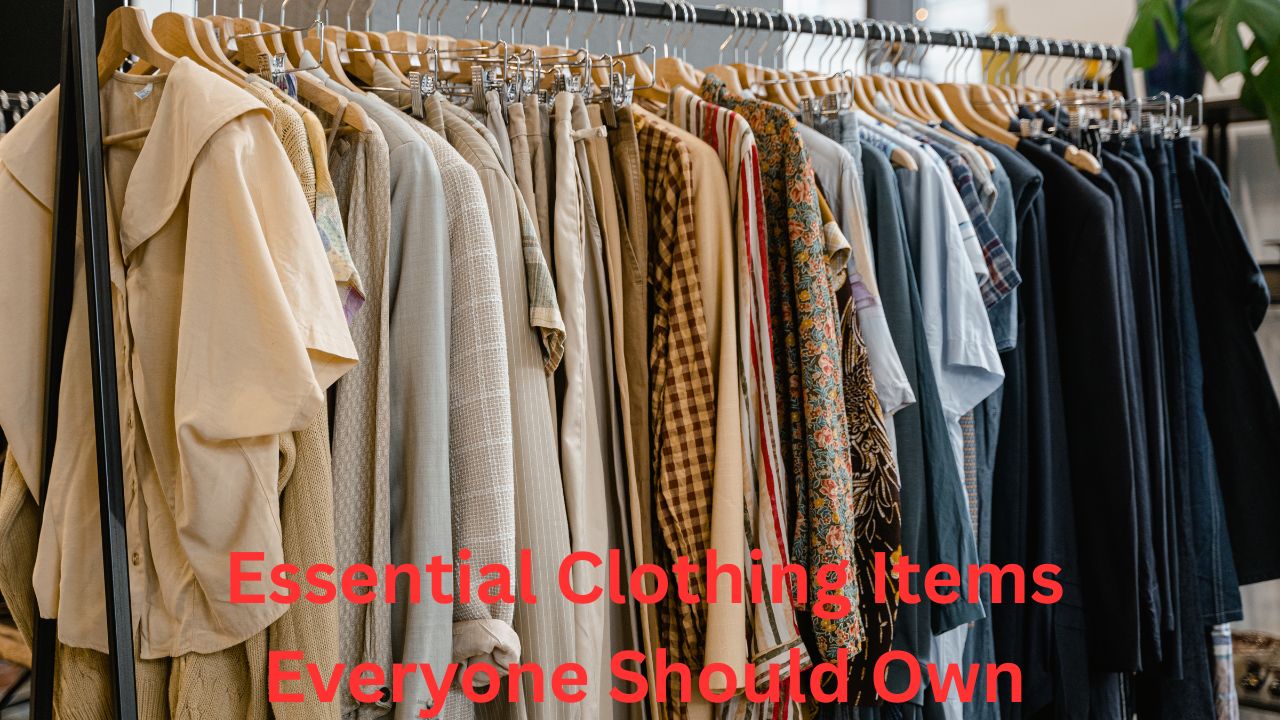
Building a practical wardrobe does not require dozens of outfits or constant shopping. The key is to own versatile clothing essentials that can be mixed, matched, layered, and styled for different occasions. From classic T-shirts and well-fitting jeans to comfortable footwear and smart outerwear, a few carefully selected pieces can create countless looks. A functional wardrobe should reflect your lifestyle, climate, personal style, and daily needs. This guide explores the essential clothing items everyone should own to create a stylish, flexible, and timeless wardrobe.
1. Well-Fitting Basic T-Shirts
Basic T-shirts are among the most useful clothing essentials for any wardrobe. Choose neutral colors such as white, black, gray, navy, or beige because they work easily with different outfits. A quality cotton T-shirt can be worn alone with jeans or layered beneath shirts, jackets, and sweaters. Pay attention to the neckline, sleeve length, fabric weight, and overall fit. Avoid buying too many nearly identical styles. Instead, invest in a few comfortable T-shirts that maintain their shape after washing. These simple pieces form the foundation of casual outfits and can also create a polished appearance when paired with tailored trousers and clean sneakers.
2. Classic Pair of Jeans
A reliable pair of jeans is an essential wardrobe staple for everyday dressing. Straight-leg, slim, or relaxed-fit jeans can work well depending on your body shape and personal style. Dark denim generally offers greater versatility because it can transition from casual daytime outfits to smarter evening looks. Medium-wash jeans are excellent for relaxed weekends and casual occasions. When selecting jeans, prioritize comfort, durable denim, and a flattering fit rather than following every seasonal trend. A well-made pair can remain useful for years and pair effortlessly with T-shirts, sweaters, button-down shirts, jackets, and sneakers.
3. Versatile Casual Trousers
While jeans are highly practical, a wardrobe should also include versatile trousers. Chinos, tailored cotton pants, or relaxed trousers can provide a more refined alternative to denim. Neutral shades such as khaki, navy, charcoal, olive, and beige make styling easier. These trousers can be combined with casual shirts and sneakers or dressed up with a blazer and leather shoes. Choosing a comfortable fabric with a suitable cut ensures that trousers remain practical throughout the day. Having at least one versatile pair gives you an easy option when jeans feel too casual.
4. A Crisp Button-Down Shirt
A classic button-down shirt adds instant structure to an outfit. White and light blue are particularly versatile choices because they work with jeans, chinos, tailored trousers, and suits. Look for breathable fabrics such as cotton or linen blends, especially if you live in a warm climate. A button-down shirt can be worn tucked in for a professional appearance or left untucked for a relaxed look. It can also be layered under sweaters, jackets, or coats. Investing in a well-fitted shirt provides an easy solution for work meetings, dinners, celebrations, and smart-casual occasions.
5. Comfortable Everyday Sneakers
A comfortable pair of sneakers can support countless everyday outfits. Minimal white, black, gray, or neutral sneakers tend to work with jeans, trousers, shorts, and casual dresses. When choosing footwear, consider cushioning, arch support, breathability, durability, and the activities you perform regularly. A stylish design is useful, but comfort should remain a priority. Clean sneakers can make a basic outfit look modern and coordinated. For greater wardrobe flexibility, choose a simple silhouette without excessive branding or complicated colors.
6. A Pair of Formal Shoes
Every wardrobe should include at least one pair of shoes suitable for formal or professional occasions. Depending on your style, this could be classic leather dress shoes, loafers, ballet flats, or another refined footwear option. Neutral shades are generally easiest to coordinate with formal clothing. Keep formal shoes clean and properly maintained so they remain presentable. A dependable pair can be worn to interviews, business meetings, weddings, dinners, ceremonies, and other occasions where casual sneakers may not be appropriate.
7. A Lightweight Jacket
A lightweight jacket provides an excellent layering option throughout changing weather. Denim jackets, bomber jackets, utility jackets, and lightweight overshirts can add texture and personality without making an outfit overly complicated. Choose a neutral or complementary color that works with your existing wardrobe. A good jacket should fit comfortably over a T-shirt or lightweight sweater without restricting movement. This versatile layer can transform simple jeans-and-T-shirt combinations into more complete and stylish outfits.
8. A Smart Blazer
A well-fitting blazer is one of the most valuable pieces for creating polished outfits. You do not necessarily need a full suit to benefit from one. A navy, charcoal, black, or neutral blazer can be paired with chinos, jeans, trousers, skirts, or dresses depending on your style. It works especially well for business-casual environments, dinners, presentations, celebrations, and social events. Look for a comfortable fit around the shoulders and avoid overly tight sleeves or excessive fabric. A timeless blazer can remain useful for many years.
9. A Comfortable Sweater
A quality sweater is essential for cooler weather and easy layering. Crew-neck, V-neck, cardigan, and quarter-zip styles offer different styling possibilities. Neutral colors such as gray, cream, navy, brown, and black are particularly versatile. Natural fibers or quality blends can provide warmth while remaining comfortable. A sweater can be worn over a button-down shirt, beneath a coat, or casually with jeans. Choose designs that complement your existing wardrobe rather than buying heavily patterned pieces that are difficult to coordinate.
10. A Reliable Outerwear Piece
Depending on your climate, a suitable coat or outerwear piece is an important wardrobe investment. A trench coat, wool coat, parka, puffer jacket, or weather-resistant jacket can provide protection while completing an outfit. Consider your local weather conditions before selecting one. For rainy regions, water resistance may be more valuable than heavy insulation. For colder climates, warmth and layering capacity become priorities. Choose practical outerwear in a versatile color so it can be worn frequently throughout the season.
11. Comfortable Everyday Underwear
Underwear may not be visible, but it is one of the most important clothing essentials. Comfortable underwear should provide proper support without creating excessive pressure, irritation, or unwanted movement. Breathable fabrics can improve everyday comfort, particularly in warm climates. Replace worn-out pieces regularly and select styles that suit your preferred clothing. Investing in quality basics can make a noticeable difference in comfort and confidence throughout the day.
12. Versatile Socks
Socks are another small but essential part of a functional wardrobe. Keep a mixture of everyday, athletic, dress, and no-show socks depending on your lifestyle. Neutral colors are easy to coordinate with most shoes, while specialized athletic socks can provide additional support during exercise. Look for breathable, durable materials that maintain their shape after repeated washing. Having enough clean socks available also makes daily dressing easier and reduces unnecessary laundry pressure.
13. Comfortable Sleepwear
Comfortable sleepwear deserves a place in every wardrobe. Breathable pajamas, lightweight shorts, soft T-shirts, or other comfortable sleep clothing can help you relax at night. Choose materials appropriate for your climate and sleeping preferences. In warm environments, lightweight cotton or moisture-friendly fabrics can be practical, while colder climates may require warmer materials. Sleepwear should prioritize comfort rather than fashion, although simple designs can still make you feel put together during relaxed mornings.
14. A Versatile Casual Dress or Outfit
For wardrobes that include dresses, having at least one versatile casual or semi-formal dress can be extremely useful. A simple silhouette in a neutral or flattering color can be styled with sneakers, flats, boots, or dressier shoes. The same outfit can often transition between daytime activities and evening occasions through changes in accessories and outer layers. Those who do not wear dresses can apply the same principle to a versatile jumpsuit, coordinated set, or polished casual outfit.
15. Athletic and Activewear
Everyone can benefit from having a small collection of comfortable activewear, even if they are not serious athletes. A few breathable T-shirts, supportive bottoms, athletic shoes, and comfortable layers can be useful for walking, exercising, traveling, or relaxing at home. Choose moisture-managing and flexible fabrics when possible. Avoid buying excessive amounts of specialized sportswear unless your activities require it. A compact activewear collection can cover workouts while keeping everyday clothing separate.
16. Seasonal Shorts
Shorts are essential for warm weather, vacations, outdoor activities, and relaxed weekends. A versatile pair in cotton, linen, or another breathable fabric can be paired with basic T-shirts, polo shirts, casual button-downs, and sneakers. Choose a length and fit that allow comfortable movement while matching your personal style. Neutral shades such as navy, beige, gray, and olive provide excellent versatility. If you participate in sports or swimming, consider adding activity-specific shorts as needed.
17. A Versatile Belt
A belt is both a practical accessory and a finishing detail. At minimum, consider having one casual belt and one more formal option. Neutral leather or leather-like materials can work well with dress shoes and formal trousers, while woven or fabric belts can complement casual outfits. The belt should coordinate reasonably with your shoes and fit securely through your trouser loops. A simple, understated buckle generally provides greater long-term versatility than heavily decorated designs.
18. A Practical Bag
A useful bag can make everyday clothing more functional. Depending on your lifestyle, you might choose a backpack, tote, crossbody bag, work bag, or compact everyday carry option. Consider storage capacity, durability, comfort, and weather resistance. A neutral design can work with a wide range of outfits. For professionals, a structured bag can provide a polished appearance, while students and commuters may benefit from a durable backpack with organized compartments.
19. Neutral Layering Pieces
Layering pieces make a wardrobe much more adaptable. Long-sleeve T-shirts, lightweight cardigans, overshirts, vests, and thin sweaters can be worn beneath heavier outerwear or over basic tops. These pieces are especially useful during transitional seasons when temperatures change throughout the day. Neutral colors make layering easier because they can coordinate with different textures and patterns. Instead of purchasing many trendy pieces, focus on comfortable layers that can be combined in multiple ways.
20. Clothing That Fits Your Lifestyle
The most important wardrobe essentials are ultimately the pieces you will actually wear. Someone working remotely may need more comfortable casual clothing, while an office professional may require additional shirts, trousers, blazers, and formal footwear. Travelers may prioritize lightweight, wrinkle-resistant pieces, while outdoor enthusiasts need durable technical clothing. Before shopping, examine your weekly routine and identify the situations your wardrobe must cover. Buying according to your lifestyle prevents unnecessary purchases and helps create a more efficient closet.
How to Build a Capsule Wardrobe
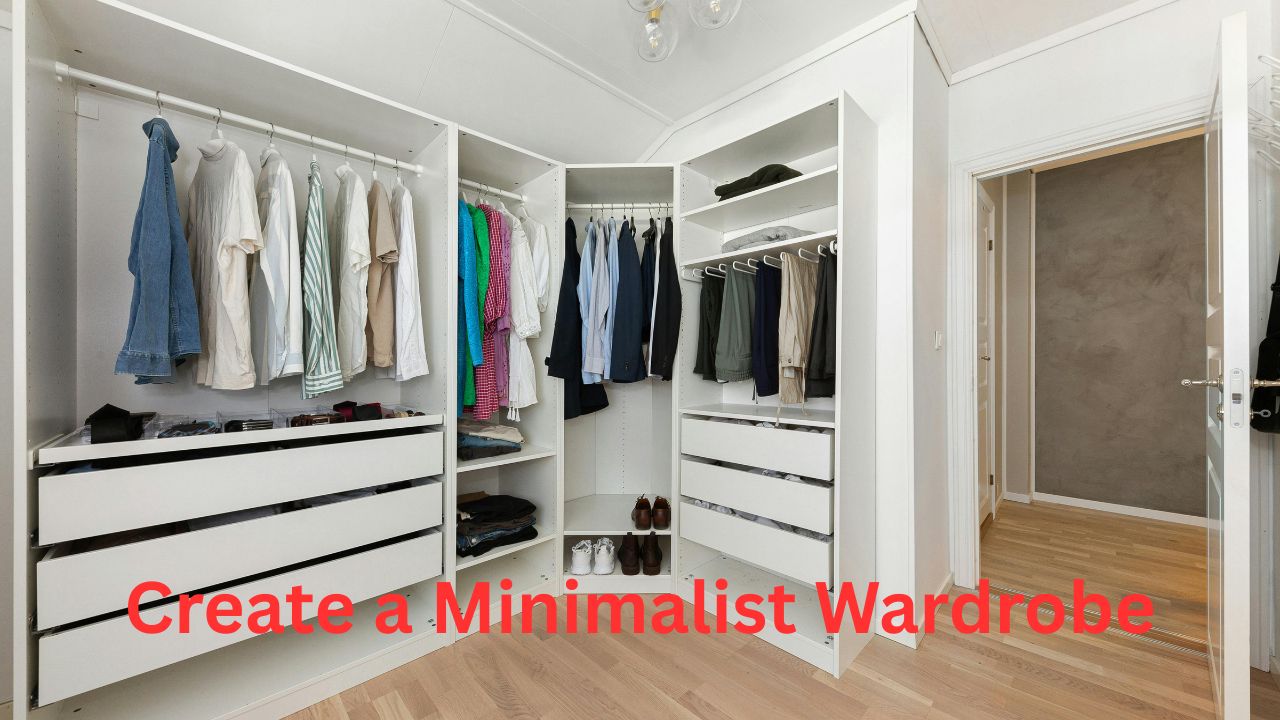
A capsule wardrobe focuses on a limited collection of versatile clothing that works together. Start with foundational pieces such as T-shirts, jeans, trousers, shirts, sweaters, outerwear, and everyday shoes. Select a consistent color palette and add a few accent colors or patterns for personality. Before purchasing anything new, ask whether it can create at least three different outfits with clothing you already own. This approach encourages intentional shopping, reduces clutter, and makes getting dressed easier.
Tips for Choosing Quality Clothing
Quality does not always mean choosing the most expensive item. Examine stitching, fabric composition, seams, buttons, zippers, and overall construction before purchasing. Check whether the material feels comfortable and whether the garment maintains its shape. Consider cost per wear rather than only the initial price. A durable jacket worn regularly may provide greater value than several inexpensive pieces that quickly lose their shape. Proper washing, drying, storage, and repairs can also significantly extend the life of your clothing.
Common Wardrobe Mistakes to Avoid
One common mistake is buying clothing simply because it is fashionable without considering whether it suits your lifestyle. Another is purchasing multiple versions of the same item while ignoring important wardrobe gaps. Poor fit is another frequent problem; even expensive clothing can look unpolished when the proportions are wrong. Avoid excessive impulse shopping and focus on versatile pieces that complement what you already own. Regularly reviewing your wardrobe can help identify unused items and prevent unnecessary purchases.
Final Thoughts on Essential Clothing Items
A successful wardrobe does not depend on having a huge number of clothes. It depends on owning the right essential clothing items for your lifestyle, climate, and personal preferences. Well-fitting basics, versatile trousers, quality footwear, practical layers, and suitable outerwear can create a strong foundation for countless outfits. Prioritize comfort, durability, versatility, and fit when shopping. By building your wardrobe intentionally, you can simplify daily dressing, reduce unnecessary spending, and maintain a timeless personal style.

Leave a Reply