
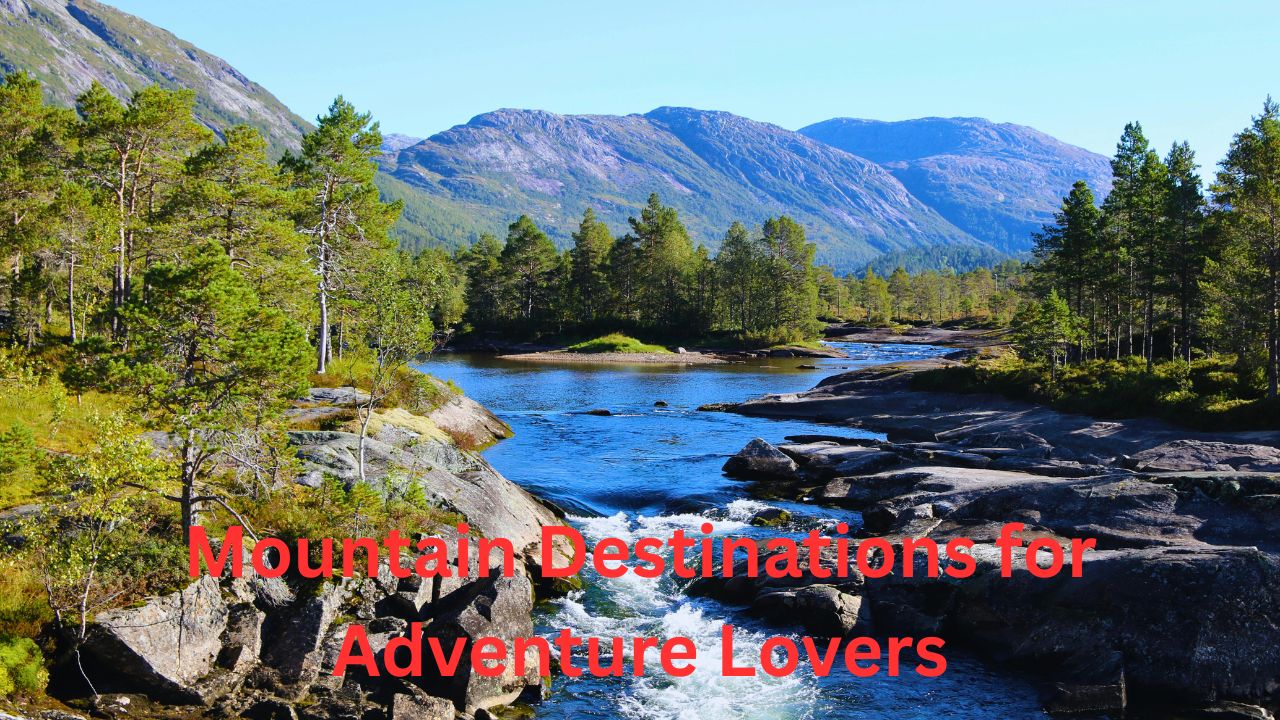
Mountain destinations offer the perfect combination of dramatic scenery, physical challenges, and unforgettable experiences. From snow-covered peaks and rugged hiking trails to deep valleys and rushing rivers, mountains attract travelers who enjoy exploring beyond ordinary tourist routes. Adventure lovers can find activities such as trekking, rock climbing, skiing, mountain biking, paragliding, and white-water rafting in different regions around the world. Whether you prefer a demanding expedition or an active holiday surrounded by nature, choosing the right mountain destination can make your trip truly memorable. The best mountain adventures also provide opportunities to experience local cultures, wildlife, traditional villages, and spectacular landscapes while testing your endurance and outdoor skills.
1. The Himalayas, Nepal
The Himalayas in Nepal are among the world’s most iconic mountain destinations for adventure travelers. Home to Mount Everest, the region offers legendary trekking routes through high-altitude landscapes, ancient villages, glaciers, and dramatic valleys. The Everest Base Camp trek remains a popular choice, while the Annapurna Circuit provides varied scenery and cultural experiences. More experienced climbers can explore challenging peaks under proper guidance and permits. Travelers should prepare carefully for altitude, changing weather, and demanding terrain. Hiring experienced guides, carrying suitable equipment, and allowing enough time for acclimatization are essential. For anyone searching for the ultimate Himalayan adventure, Nepal combines spectacular scenery with some of the world’s most rewarding mountain experiences.
2. Swiss Alps, Switzerland
The Swiss Alps are a dream destination for travelers seeking mountain adventure combined with excellent infrastructure. During winter, destinations such as Zermatt, Verbier, and St. Moritz attract visitors for skiing, snowboarding, and mountaineering. Summer brings opportunities for hiking, trail running, climbing, mountain biking, and paragliding. Well-maintained trails allow travelers to explore alpine meadows, glaciers, forests, and spectacular peaks. The Matterhorn provides an especially memorable backdrop for outdoor adventures. Switzerland’s efficient transportation system also makes it easier to reach mountain areas without spending excessive time on difficult road journeys. Whether you are an experienced athlete or an active beginner, the Swiss Alps offer adventure opportunities across different seasons and skill levels.
3. Rocky Mountains, Canada
Canada’s Rocky Mountains provide an incredible setting for outdoor adventures surrounded by pristine wilderness. Banff and Jasper are particularly popular for hiking, climbing, camping, skiing, canoeing, and wildlife viewing. During warmer months, visitors can explore extensive trails leading to alpine lakes, glaciers, and panoramic viewpoints. Winter transforms the region into a playground for skiing, snowshoeing, ice climbing, and other snow-based activities. The combination of rugged peaks and turquoise lakes creates some of North America’s most recognizable landscapes. Adventure travelers should respect wildlife regulations, check weather conditions, and prepare for rapidly changing mountain environments. The Canadian Rockies are ideal for travelers who want challenging outdoor activities without sacrificing access to beautiful natural scenery.
4. Patagonia, Argentina and Chile
Patagonia is one of the world’s most spectacular destinations for serious outdoor enthusiasts. Stretching across southern Argentina and Chile, this vast region features towering mountains, glaciers, windswept plains, and remote wilderness. Torres del Paine National Park in Chile is famous for demanding trekking routes, while Los Glaciares National Park in Argentina offers access to extraordinary mountain landscapes around Mount Fitz Roy. Hiking and trekking are among the region’s biggest attractions, but kayaking, horseback riding, climbing, and glacier exploration are also popular. Patagonia’s unpredictable weather makes proper clothing and planning especially important. For adventure lovers seeking dramatic scenery and a strong sense of wilderness, Patagonia delivers an unforgettable mountain experience.
5. New Zealand’s Southern Alps
New Zealand’s Southern Alps combine rugged mountains with an impressive range of adventure activities. The region includes famous destinations such as Queenstown, Aoraki/Mount Cook, and Fiordland. Travelers can enjoy hiking, mountaineering, skiing, mountain biking, skydiving, bungee jumping, and scenic helicopter flights. The Routeburn Track and other alpine trails offer spectacular views of peaks, forests, rivers, and valleys. Queenstown is particularly attractive to thrill seekers because of its concentration of adrenaline-focused activities. Aoraki/Mount Cook National Park is better suited to travelers interested in serious hiking and mountaineering. New Zealand’s diverse landscapes make it possible to combine multiple adventures within one trip while experiencing some of the Southern Hemisphere’s most impressive mountain scenery.
6. Canadian and American Rockies
The Rocky Mountain range across Canada and the United States offers countless opportunities for adventure travel. In the United States, destinations such as Colorado, Wyoming, and Montana provide access to hiking, climbing, skiing, rafting, and mountain biking. National parks including Rocky Mountain National Park and Grand Teton National Park feature dramatic peaks and extensive outdoor recreation. Visitors can choose everything from short scenic hikes to demanding multi-day wilderness trips. Winter sports are especially popular in Colorado, while summer provides excellent conditions for hiking and climbing. Travelers should research permits, trail conditions, weather forecasts, and park regulations before beginning their activities. The region is particularly appealing to adventure lovers who want flexibility and a wide selection of outdoor experiences.
7. Dolomites, Italy
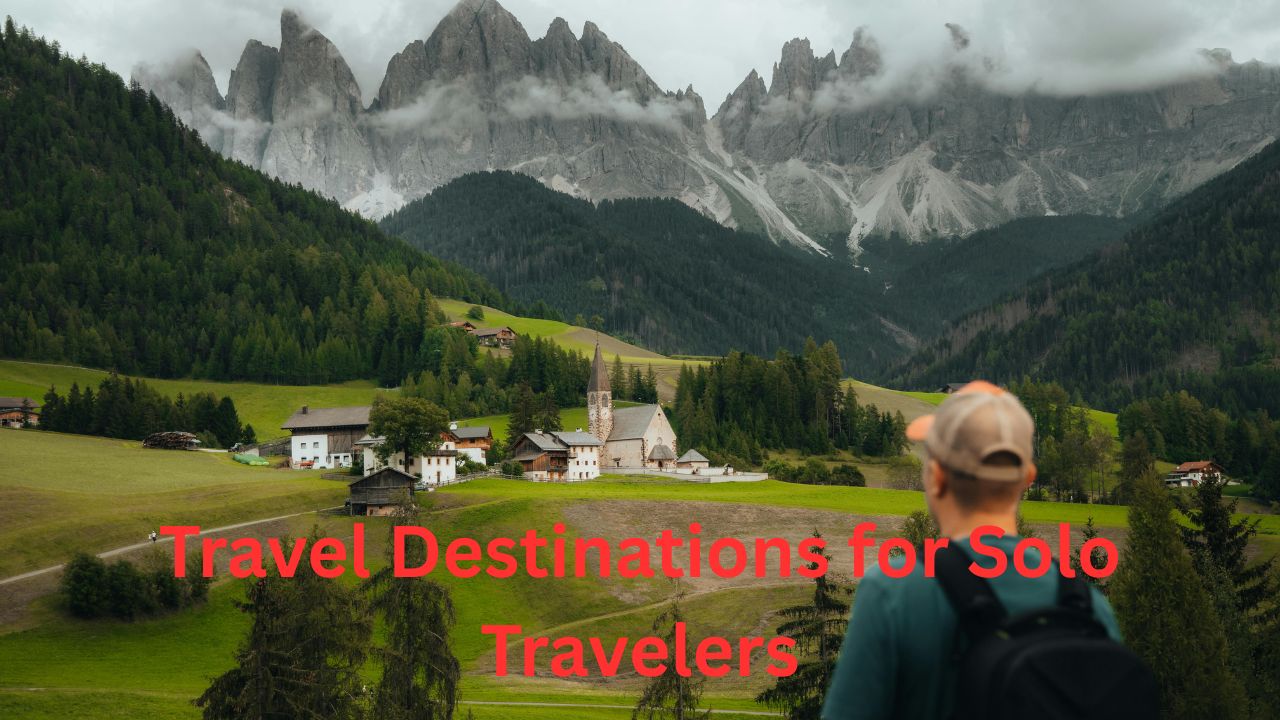
The Dolomites in northern Italy are an excellent choice for travelers who want dramatic mountain scenery and exciting outdoor activities. Their distinctive pale rock formations create an unforgettable landscape for hiking, climbing, via ferrata routes, skiing, and mountain biking. The extensive network of trails allows visitors to explore alpine valleys, high passes, meadows, and traditional mountain communities. Via ferrata routes are especially appealing to adventurous travelers because they combine hiking with protected climbing sections. Winter brings opportunities for skiing and snowboarding across several resorts. Besides adventure, visitors can enjoy regional cuisine and distinctive local culture. The Dolomites are therefore ideal for travelers seeking a balance between challenging activities, spectacular scenery, and comfortable mountain tourism.
8. Mount Kilimanjaro, Tanzania
Mount Kilimanjaro is a remarkable destination for travelers who want to experience high-altitude trekking in Africa. Rising above Tanzania’s landscape, the mountain offers several routes toward its summit, each providing different scenery and trekking experiences. Climbers pass through changing ecological zones, including forest, moorland, alpine desert, and high-altitude terrain. Reaching the summit requires endurance, preparation, and careful acclimatization. Although technical climbing skills are not generally required on standard routes, the altitude presents a serious challenge. Travelers should work with authorized operators and follow responsible safety practices. Kilimanjaro is particularly appealing because it combines a major mountain challenge with opportunities to experience Tanzania’s wildlife, culture, and natural attractions before or after the trek.
9. Andes Mountains, South America
The Andes stretch across several South American countries and provide an enormous range of adventure opportunities. Peru is famous for trekking around the Cordillera Blanca and routes associated with Machu Picchu, while Bolivia offers dramatic high-altitude landscapes around the Cordillera Real. Ecuador provides opportunities to climb volcanic peaks, and Argentina and Chile offer extensive hiking and climbing experiences. Activities vary from multi-day trekking and mountaineering to mountain biking and glacier exploration. Because many destinations are located at high elevations, acclimatization is important. Travelers should research seasonal weather and local regulations before choosing an itinerary. The Andes are perfect for adventurous explorers who want cultural experiences alongside challenging mountain landscapes.
10. Caucasus Mountains, Georgia
Georgia’s Caucasus Mountains offer spectacular scenery and growing appeal among adventurous travelers. Areas such as Svaneti feature dramatic peaks, remote villages, ancient towers, and challenging hiking routes. Visitors can enjoy trekking, mountaineering, horseback riding, skiing, and backcountry exploration. The combination of rugged landscapes and traditional Georgian culture makes the region particularly distinctive. Compared with many famous mountain destinations, some parts of the Caucasus can feel less crowded, giving travelers a stronger sense of exploration. Adventure visitors should carefully research transportation, trail conditions, seasonal accessibility, and local guidance. For travelers looking beyond traditional European mountain destinations, Georgia provides an exciting combination of wilderness, culture, and outdoor adventure.
11. Atlas Mountains, Morocco
The Atlas Mountains provide a fascinating adventure destination close to North Africa’s major cultural centers. Morocco’s High Atlas is home to Mount Toubkal, the highest peak in North Africa and a popular trekking objective. Hikers can explore mountain villages, valleys, rocky trails, and high passes while experiencing local Berber culture. Trekking conditions vary considerably by season, with warmer months generally offering different opportunities from winter, when snow can affect higher routes. Guided trips are useful for travelers unfamiliar with the terrain and local logistics. The Atlas Mountains are especially attractive for people who want a culturally rich mountain adventure rather than a conventional resort holiday.
12. Japanese Alps, Japan
Japan’s Northern, Central, and Southern Alps offer adventurous travelers a different perspective on mountain exploration. The region features hiking trails, alpine scenery, traditional villages, hot springs, and winter sports. Popular destinations around Nagano and Gifu provide access to hiking and climbing routes during warmer months, while winter attracts skiers and snowboarders. Travelers can combine outdoor activities with Japanese cultural experiences, including local cuisine and traditional bathing facilities. Weather can change quickly in mountainous areas, so checking conditions before heading onto a trail is essential. The Japanese Alps are a strong choice for travelers who want to combine challenging outdoor activities with excellent transportation, cultural attractions, and distinctive seasonal landscapes.
How to Choose the Best Mountain Destination
Choosing the right mountain destination depends on your fitness level, preferred activities, budget, travel season, and experience. Beginners may prefer destinations with well-marked trails and reliable infrastructure, while experienced mountaineers might seek remote peaks and technical routes. Climate is another important factor because mountain weather can change rapidly. Consider whether you want a summer trekking adventure, a winter skiing trip, or a year-round destination with multiple activities. Travel time and altitude should also influence your decision. Researching permits, accommodation, transportation, equipment requirements, and local safety recommendations before departure can help create a smoother and safer adventure.
Essential Gear for Mountain Adventures
Proper equipment can significantly improve comfort and safety during a mountain trip. Essential items may include sturdy hiking footwear, weather-resistant clothing, layered insulation, a backpack, navigation tools, a headlamp, first-aid supplies, water, snacks, and sun protection. Higher-altitude or technical adventures may require specialized equipment such as trekking poles, helmets, climbing gear, or crampons. Always choose equipment according to the destination and activity rather than packing unnecessary items. Testing footwear and important gear before the trip can also prevent problems on the trail. Responsible preparation allows travelers to focus more on the landscape and experience while reducing avoidable risks.
Mountain Safety Tips for Adventure Travelers
Mountain environments can become dangerous because of sudden weather changes, difficult terrain, altitude, rockfall, and limited communication. Check weather forecasts and trail conditions before starting an activity, and tell someone about your itinerary. Stay on established routes where appropriate and avoid taking unnecessary risks for photographs or views. At high elevations, recognize symptoms associated with altitude illness and allow adequate time for acclimatization. Carry sufficient water and emergency supplies, and consider hiring a qualified local guide for challenging routes. Travel insurance that covers your planned activities can also provide valuable protection. Good preparation is one of the most important parts of a successful mountain adventure.
Best Time to Visit Mountain Destinations
The ideal season depends heavily on the destination and activity. Summer is often preferred for hiking in many northern-hemisphere mountain regions, while winter attracts travelers interested in skiing and snowboarding. Some destinations, such as Patagonia and parts of the Himalayas, have specific trekking seasons because of rainfall, snow, or extreme temperatures. Researching seasonal conditions before booking flights and accommodation can prevent unpleasant surprises. Shoulder seasons may offer fewer crowds and lower prices but can also involve unpredictable weather or limited services. Always check current local conditions before beginning an outdoor adventure, especially when traveling to remote or high-altitude areas.
Sustainable Mountain Tourism
Responsible tourism helps protect fragile mountain ecosystems for future generations. Adventure travelers should follow Leave No Trace principles, avoid littering, stay on designated trails, and respect wildlife. Supporting local guides, accommodations, restaurants, and small businesses can also help mountain communities benefit economically from tourism. Avoid purchasing products made from endangered wildlife or damaging natural resources. Travelers should minimize unnecessary plastic waste and use reusable bottles when practical. Respecting local customs is equally important, particularly in communities with strong cultural traditions. Sustainable mountain travel allows visitors to enjoy extraordinary landscapes while helping preserve the natural and cultural character that makes these destinations special.
Conclusion: Find Your Next Mountain Adventure
The world’s mountain destinations offer endless possibilities for adventure lovers, from Himalayan trekking and Alpine skiing to Patagonia hiking and African summit expeditions. Each region provides its own combination of landscapes, activities, cultures, and challenges. The best destination is one that matches your interests, experience, fitness level, budget, and preferred travel season. Careful planning, appropriate equipment, responsible tourism, and respect for local conditions can make a mountain journey safer and more rewarding. Whether you dream of standing above the clouds, exploring remote trails, or skiing through fresh powder, the world’s great mountain ranges are waiting to turn your next vacation into an unforgettable adventure.

Leave a Reply